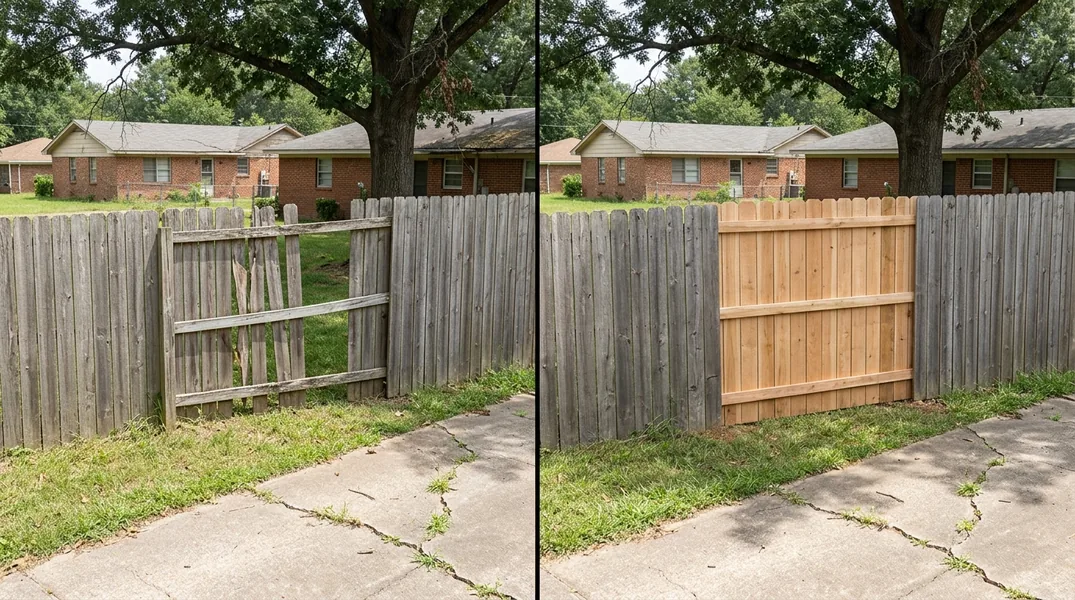
Understanding Fence Permits in Little Rock and Pulaski County
Before you invest in a new Wood & Privacy Fence Installation, it's essential to understand the permit requirements in your area. Little Rock and North Little Rock both have specific regulations governing fence construction, and obtaining the proper permits is not optional. A fence permit is your legal authorization to build, and skipping this step can result in fines, forced removal of your fence, or complications when selling your property.
The permit process typically begins with submitting detailed plans to your city's planning or building department. These plans should include the fence's location, materials, height, and design. The city reviews these plans to ensure compliance with local zoning laws and setback requirements. Most jurisdictions in Pulaski County process fence permits within 5 to 10 business days, though complex projects may take longer. Getting a free estimate from a professional fence company like Little Rock Fence Pros can help you understand what documentation you'll need before submitting your application.
Fence Height Regulations: What You Need to Know
Fence height rules vary depending on your location within Little Rock, North Little Rock, or other areas of Pulaski County. In most residential zones, the standard maximum height for a backyard fence is 6 feet, while front yard fences are typically limited to 4 feet. These restrictions exist to maintain neighborhood aesthetics, preserve sightlines for traffic safety, and prevent disputes between neighbors. However, some residential areas have stricter limitations, particularly in historic districts or planned communities with homeowners associations.
The height measurement is usually taken from the ground level at the fence's base to the top of the fence material itself. This means that if your yard slopes or has uneven terrain, you may need to adjust your fence design accordingly. Corner lots and properties adjacent to commercial zones may have different height allowances. It's critical to verify the exact height restrictions for your property before purchasing materials or scheduling installation, as non-compliant fences may need to be modified or removed entirely, resulting in wasted time and money.
Pulaski County Fence Code Requirements and Setbacks
Pulaski County maintains a comprehensive fence code that governs not just height but also placement, materials, and maintenance standards. One of the most important aspects of the code involves setback requirements, which specify how far your fence must be positioned from property lines, easements, and public rights-of-way. In most residential areas of Pulaski County, fences must be set back at least 5 feet from the front property line and 2 feet from side and rear property lines, though these distances can vary based on local ordinances.
The code also addresses fence materials and condition. While Wood & Privacy Fence Installation is popular in the region, the code requires that wooden fences be maintained in good repair and painted or stained as needed to prevent deterioration. Damaged, leaning, or poorly maintained fences can trigger code enforcement action. Additionally, Pulaski County regulations often require that the finished side of the fence face the neighbor's property, which is an important detail during planning. Before committing to any fence project, verify the specific setback and material requirements that apply to your property by contacting your local zoning office or speaking with the professionals at Little Rock Fence Pros at (501) 476-2299.
Corner Lots, Commercial Zones, and Special Circumstances
If your property is located on a corner lot or adjacent to a commercial area, your fence regulations may differ significantly from standard residential requirements. Corner lots typically have stricter height limitations on both the front and side yards to ensure clear sight triangles for vehicular and pedestrian traffic. These sight triangles are critical safety features that prevent accidents at intersections. In some cases, corner lot owners may be required to maintain a lower fence or use transparent materials like Chain Link Fence Installation to preserve visibility.
Properties bordering commercial zones in Little Rock may have additional requirements, such as enhanced screening or higher fences to protect residential privacy. Conversely, if you're in a commercial zone yourself, you may have more flexibility with fence height and design, though you'll still need to comply with code. Properties with utility easements, drainage rights-of-way, or other encumbrances also face restrictions on where and how fences can be installed. Always obtain a property survey and review your deed before finalizing fence plans to identify any easements or restrictions that might affect your project.
HOA Rules: When Local Code Is Just the Beginning
Many residential communities in Pulaski County are governed by homeowners associations (HOAs), which impose their own fence regulations in addition to municipal codes. HOA rules are often more restrictive than city ordinances and may include specifications about fence materials, colors, styles, and height. Some HOAs prohibit privacy fences altogether, while others require approval of specific designs before installation begins. Violating HOA rules can result in fines, mandatory removal of your fence, or legal action by the association.
Before you begin any fence project, review your HOA's covenants, conditions, and restrictions (CC&R) and submit any required applications for architectural review. If your community has an HOA, you'll typically need approval before obtaining a city permit, and the HOA review process can add 2 to 4 weeks to your timeline. The team at Little Rock Fence Pros can help you navigate these dual approval processes and ensure your fence design complies with both municipal code and HOA requirements. Getting a free estimate is a good first step to discuss any special circumstances affecting your project.
Working with a Local Fence Contractor: Your Permit Partner
While homeowners can handle the permit process independently, partnering with an experienced local fence contractor simplifies the entire journey. Professional fence companies like Little Rock Fence Pros are familiar with the specific requirements in Little Rock, North Little Rock, and throughout Pulaski County. They understand setback rules, height restrictions, material standards, and the documentation needed for permit approval. Many contractors can prepare or assist with permit applications, saving you hours of research and potential mistakes that could delay your project.
A reputable contractor will also conduct a property survey or review your existing survey to identify easements, property lines, and other factors that influence fence placement. They'll verify HOA requirements if applicable and ensure your design complies with all applicable codes before construction begins. This proactive approach prevents costly rework and eliminates the frustration of having to remove or modify a fence after installation. To discuss your fence project and understand the permit and code requirements for your specific property, contact Little Rock Fence Pros at (501) 476-2299 or request a free estimate today.
Looking for a professional tree service in Little Rock? Little Rock Fence Pros responds fast for all your fence needs.
Get a Free Quote